 Save to Pinterest
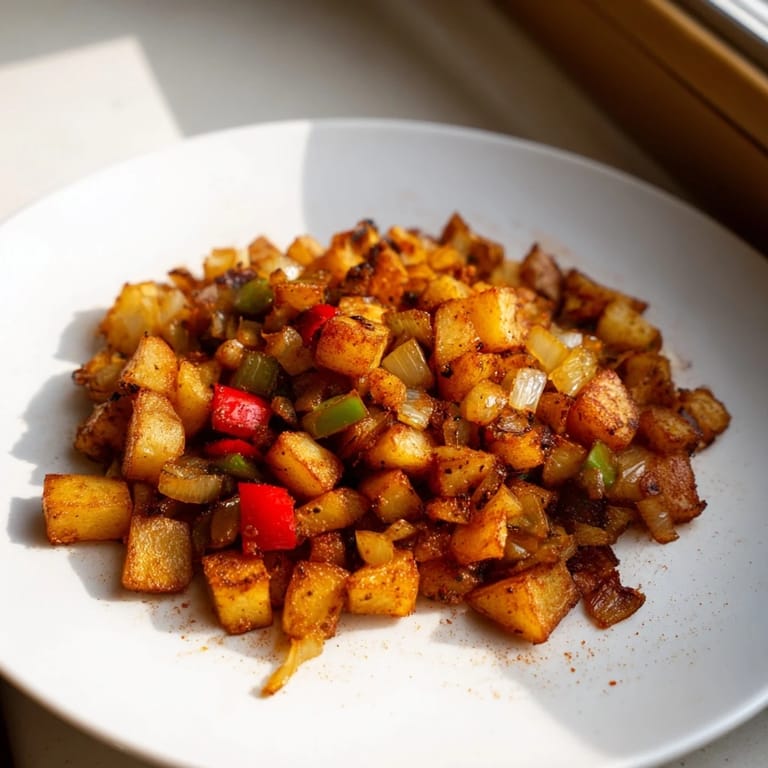
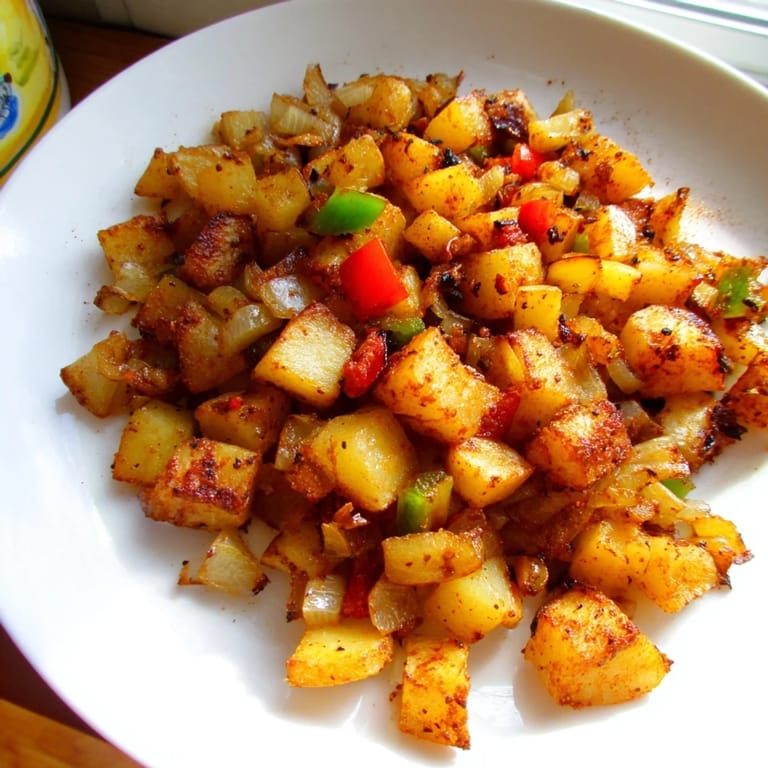
 There's something about the sound of potatoes hitting hot oil that pulls me back to Sunday mornings at my aunt's kitchen, where she'd make these golden-brown home fries without any recipe in sight. She'd dice everything with practiced efficiency while the cast iron was already warming, moving like she'd done it a thousand times before. The trick, she'd always say with a knowing smile, was not to rush them—let them get their color before you start poking around. I finally understand why those crispy, caramelized edges mattered so much more than I realized as a kid stealing bites off the plate.
I made these for my roommate one random Tuesday morning after he mentioned he'd never had properly crispy home fries, and watching him just keep eating them straight from the pan without saying anything taught me everything I needed to know about whether I'd nailed it. He went back for seconds before I'd even finished serving, and now whenever he asks what's for breakfast, he's really asking whether I'm making these potatoes.
Ingredients
- Russet potatoes: Their starch content is exactly what you want for developing that golden, crispy exterior—waxy potatoes won't brown the same way no matter how long you cook them.
- Yellow onion: It gets sweet and mellow as it cooks, adding natural caramelization without any extra effort on your part.
- Red and green bell peppers: The different colors aren't just for looks; they add varied sweetness and a slight vegetal depth that makes the whole dish feel more complete.
- Garlic: A small amount goes a long way here—add it at the end so it doesn't burn and turn bitter while everything else is cooking.
- Kosher salt and black pepper: Season generously; potatoes need it more than you'd think, so don't be shy.
- Smoked paprika and cayenne: Both optional, but they add a subtle warmth and complexity that makes people ask what your secret ingredient is.
- Vegetable oil and butter: The combination gives you the high smoke point of oil with the flavor depth that butter brings, creating the perfect cooking medium.
Tired of Takeout? 🥡
Get 10 meals you can make faster than delivery arrives. Seriously.
One email. No spam. Unsubscribe anytime.
Instructions
- Parboil your potatoes:
- Cover diced potatoes with cold water in a saucepan, bring to a boil, then let them simmer for 5–6 minutes until they're just tender enough to pierce with a fork. Drain them thoroughly and spread them on a clean kitchen towel to dry out a bit—this step is where crispiness really begins.
- Get your pan screaming hot:
- Use a large skillet, preferably cast iron, and heat the oil and butter together over medium-high heat until the butter is foaming and the oil shimmers with heat. You want it hot enough that the potatoes will immediately start sizzling when they hit the pan.
- Create that golden crust:
- Spread the parboiled potatoes in a single layer and don't touch them for 4–5 minutes—this is the hard part because you'll want to stir, but restraint is what creates the color and crunch. When you finally turn them over, you should see beautiful golden-brown spots on the bottom.
- Add vegetables and build flavor:
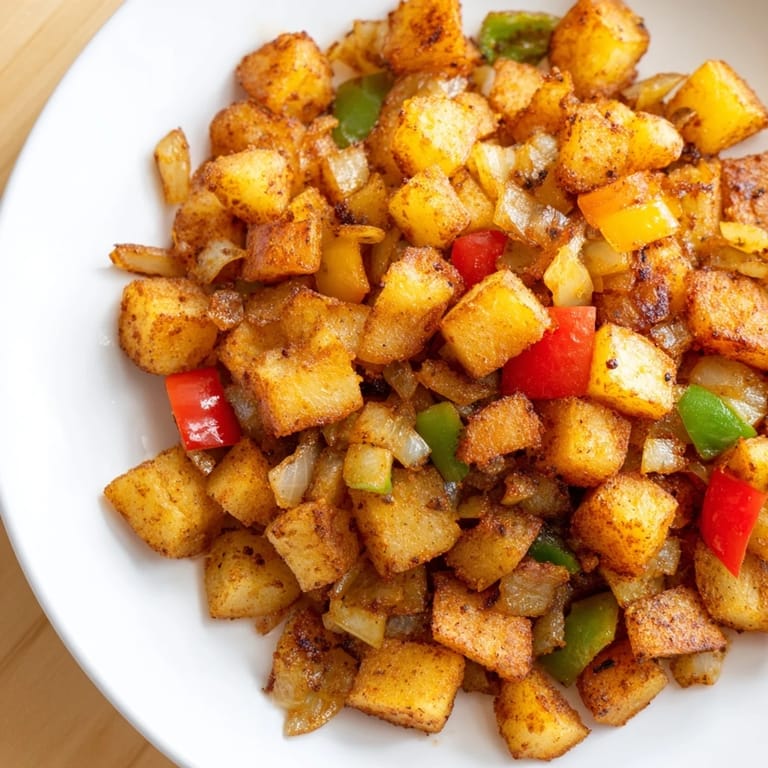
- Stir in the onions and bell peppers, then cook for 8–10 minutes, stirring occasionally, until the vegetables soften and the potatoes are fully crisp and browned on all sides. The potatoes will continue to brown as the moisture from the vegetables releases and evaporates.
- Finish with garlic and seasoning:
- Add the garlic, salt, pepper, and optional smoked paprika and cayenne, stirring constantly for just 1–2 minutes until the whole pan smells incredible. Taste a piece and adjust salt or spice as needed before serving hot.
 Save to Pinterest
 These home fries taught me that the simplest dishes often reward patience more than anything else I make in the kitchen. It's just potatoes, vegetables, and heat, but respecting the process—letting things brown, not rushing the steps—transforms something ordinary into something people remember.
The Cast Iron Advantage
A cast iron skillet holds and distributes heat more evenly than most stainless steel pans, which means your potatoes brown more uniformly and the bottom doesn't scorch while you're waiting for the tops to crisp up. If you don't have cast iron yet, this is honestly the recipe that convinced me to finally buy one—the difference in results is noticeable enough that it's worth the investment. That said, any large heavy-bottomed skillet will work if cast iron isn't available.
Why Timing Matters Here
Home fries seem simple until you realize that every step is building on the last one, and skipping ahead ruins the whole structure. The parboil softens the potatoes just enough that they'll cook through while you're browning them in the pan—if you skip it, you're either waiting forever for the centers to cook or settling for hard, undercooked insides. The vegetables go in after the potatoes have their color, not before, because the moisture they release actually stops the browning process. Understanding the why behind each step changes how you approach the cooking.
Variations and Swaps to Keep Things Fresh
Once you've made these a few times and understand how they work, there's room to play without losing the fundamentals that make them good. Sweet potatoes create a slightly softer texture and sweeter flavor profile, though they brown a bit differently—watch them more carefully since they cook faster. Diced jalapeños stirred in with the garlic add heat without taking over the dish, or skip the paprika and cayenne entirely if you want the vegetables to be the star instead of spice. Adding fresh herbs like parsley or chives at the very end brings brightness that feels special without changing the core method.
- Try mixing half russet and half sweet potato for complexity and a longer cook time that prevents burning.
- Smoked paprika alone (without cayenne) gives warmth and depth if you want heat vibes without actual spice.
- A small handful of fresh parsley or chives stirred in right before serving adds color and a fresh note that contrasts beautifully with the richness.
 Save to Pinterest
 Home fries are the kind of recipe that reminds you why cooking matters—they're built on technique and respect for timing rather than exotic ingredients or complicated steps. Make them once and pay attention, and you'll have mastered something that tastes like a proper diner breakfast whenever you want it.
Recipe FAQs
- → What type of potatoes work best?
Russet potatoes are ideal for their starchy quality, resulting in a crispy crust while staying fluffy inside.
- → How can I make the potatoes extra crispy?
After boiling, pat the potatoes dry before frying. Cook them undisturbed for several minutes to develop a golden crust.
- → Can I add heat to this dish?
Yes, cayenne pepper can be added for a spicy kick, or diced jalapeños can be included for more heat.
- → Is it possible to make this dairy-free?
Simply omit the butter and use only vegetable or canola oil for frying to keep it dairy-free.
- → What are good accompaniments for this dish?
This dish pairs well with eggs, pancakes, or can be wrapped in a breakfast burrito for a hearty meal.