 Save to Pinterest
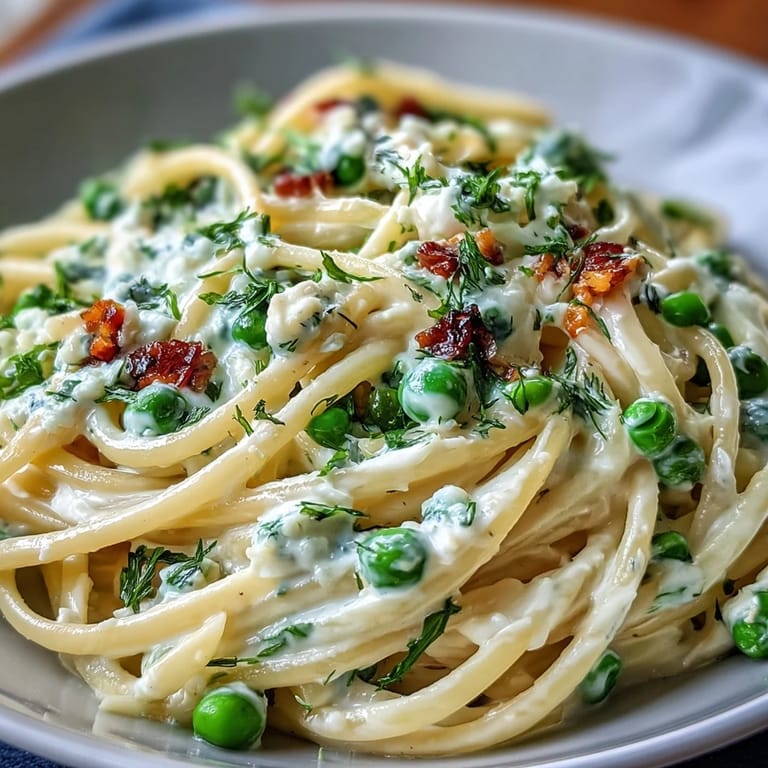
 The zing of lemon and creamy ricotta drifting through my kitchen felt downright ambitious for a Wednesday evening, yet somehow it made the ordinary feel bright. I once stumbled on this combination after craving something green and lively post-work while spring rain tapped on the window. Cooking it always felt like a low-effort celebration—just enough skill to keep things interesting but not enough to require a deep breath before beginning. Rolling fresh peas on the counter, I admired their cheerful hue beside the linguine and parsley, turning necessity into delight. The first toss of pasta with the lemon-ricotta sauce had me pausing, surprised by how much my mood lightened with each forkful.
One Saturday, I invited a couple of friends over after the farmer's market, armed with overflowing bags of peas and parsley. We debated which cheese would make the creamiest sauce, laughed about squeezing lemons with cold fingers, and ended up eating our bowls outside when the clouds parted. The kitchen was loud with stories and the sound of pasta clinking—no fancy plating, just extra Parmesan on top. That meal taught me that simple dishes spark the most genuine connection. Even my friend who normally avoids ricotta admitted he was won over by the lemon’s brightness.
Ingredients
- Linguine: I always use classic linguine for its heft, and found the texture delivers the perfect bite—just avoid overcooking for best results.
- Fresh or frozen peas: The sweetness of peas is key; if they're frozen, toss them in while the pasta is boiling so they're vibrant, not mushy.
- Garlic: Gentle sautéing is all it needs; I once burned it and learned that fragrant, not browned, brings the best flavor.
- Lemon zest and juice: The zest gives sharpness while juice adds brightness—use unwaxed lemons and zest them just before mixing for full aroma.
- Fresh parsley: Stirring it in at the end keeps the flavor vivid and spring-like; don’t skip the finishing sprinkle.
- Ricotta cheese: I prefer whole-milk ricotta for creaminess; whip it smooth to avoid grainy sauce.
- Parmesan cheese: Grating it yourself yields better melt and depth than any pre-grated variety.
- Extra-virgin olive oil: Adds subtle fruitiness; a light drizzle in the skillet goes a long way.
- Salt: Season the pasta water well—too little salt and the dish turns bland.
- Black pepper: Freshly ground right at the end gives gentle heat; taste and adjust just before serving.
Tired of Takeout? 🥡
Get 10 meals you can make faster than delivery arrives. Seriously.
One email. No spam. Unsubscribe anytime.
Instructions
- Boil the Pasta:
- Fill your largest pot with water and toss in a good handful of salt; listen for the lively bubble before dropping in the linguine. Stir, and watch the strands soften, then check for al dente—save some pasta water before draining.
- Sauté Aromatics:
- As the pasta cooks, warm olive oil in a skillet; when it shimmers, add minced garlic and inhale its aroma, letting it sweat for just a minute.
- Add the Peas:
- Tip in your peas and stir gently—let them turn a brighter green and just tender, keeping an eye so they don’t lose their freshness.
- Mix the Ricotta Sauce:
- In a mixing bowl, combine ricotta, lemon zest and juice, Parmesan, salt, and pepper; whisk until the mixture looks smooth and creamy with tiny flecks of zest.
- Toss Everything Together:
- Add hot drained pasta along with peas, garlic, and oil to the ricotta bowl; toss gently, adding reserved pasta water until the sauce clings to every strand.
- Finish and Serve:
- Scatter parsley over the top, taste for seasoning, and serve quickly with extra Parmesan and a bit more lemon zest if you like.
 Save to Pinterest
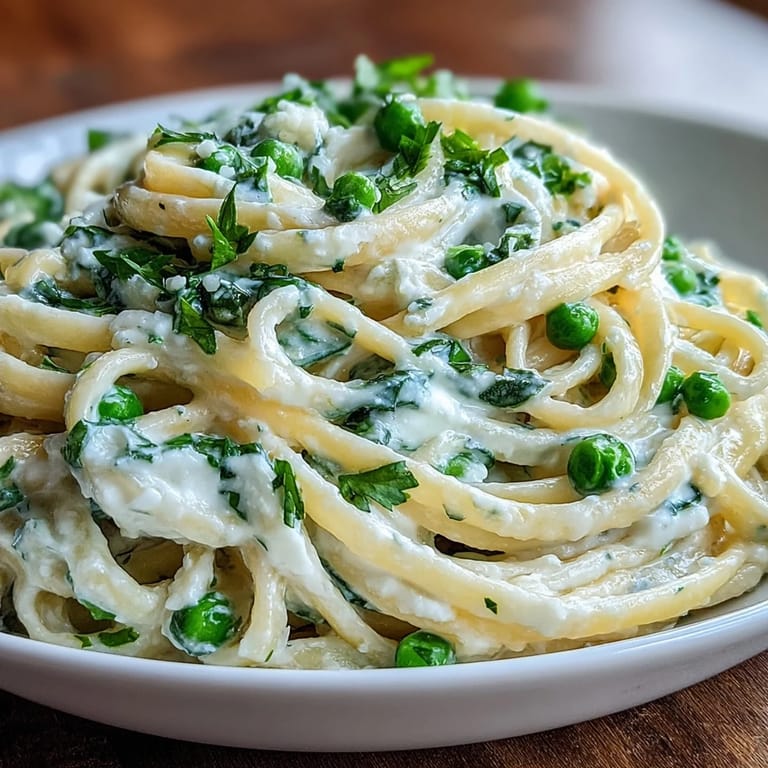
 Sitting in the backyard one breezy spring evening, this pasta slid into memory as our laughter mixed with the aroma of lemon and parsley. It was no longer just a meal but part of the conversation, something we still reference every time spring turns up and peas fill baskets again.
Spring Is the Best Time
I found the flavors really shine when peas are genuinely fresh, but even frozen ones bring sweet crunch if you cook them just long enough. Making it after a grocery run in April somehow feels like you’re honoring the new season. Bright lemon zest stands out most in colder months, waking up taste buds with its boldness. So, if you’re craving a lift on a grey day, this pasta delivers.
Cheese Choices That Matter
Ricotta gives this dish its luscious texture, but substituting mascarpone creates an even richer, silkier sauce if you’re feeling decadent. Parmesan’s nutty tang pulls everything together, so grate it yourself for the fullest flavor. I once tried using pre-shredded cheese and regretted how gritty the sauce became. Aim for cheeses that melt smoothly, and the difference is clear in every bite.
Finishing Touches That Elevate
Fresh herbs, like parsley, bring the final pop that keeps the dish tasting light and green—don’t skip them, even if you’re tempted to. Sometimes I toss in arugula for peppery depth, especially when the pasta needs an extra punch. Quick grating of lemon zest right before serving ensures the aroma wafts through the kitchen and table. Three reminders:
- Always taste the sauce before serving, in case it needs another squeeze of lemon.
- If pasta seems dry, add splashes of reserved water slowly—it’s easy to fix.
- Don’t crowd your skillet; peas need room to stay tender, not mushy.
 Save to Pinterest
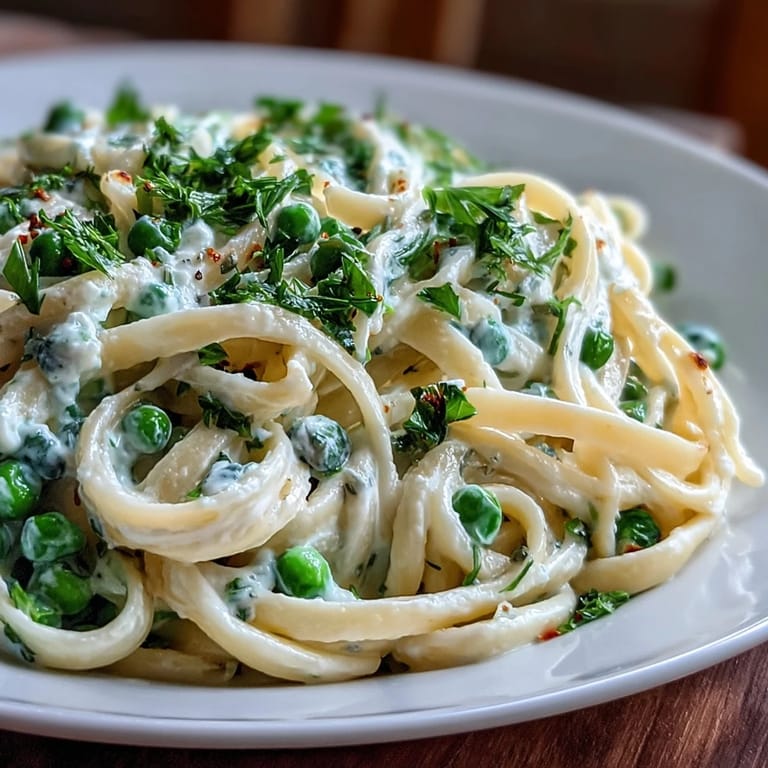
 This cheerful pasta will brighten up your weeknight or any gathering of friends, promising flavor and comfort in every twirl. Try it once, and you might find yourself craving spring even in winter months.
Recipe FAQs
- → How do you achieve a creamy sauce without heavy cream?
The ricotta and Parmesan, mixed with pasta water, provide a silky, rich texture without additional cream.
- → Can I use frozen peas instead of fresh?
Yes, simply cook them a bit longer until they're bright green and just tender for the best flavor and texture.
- → What pasta shape works best?
Linguine holds creamy sauces well, but you can substitute with spaghetti, fettuccine, or penne if preferred.
- → How can I add extra freshness?
Stir in baby spinach or arugula with the peas for more color and a fresh green taste.
- → Are there alternatives to ricotta?
Mascarpone can replace ricotta for a richer sauce, or try cottage cheese for a lighter version.
- → What wine pairs best?
A chilled Sauvignon Blanc or Pinot Grigio complements the lemony, creamy flavors beautifully.