 Save to Pinterest
 There's something about a bowl of steaming ginger-miso soup that stops you mid-winter and makes everything feel manageable again. I discovered this particular version on a gray afternoon when my throat felt scratchy and my mood even worse, standing in front of my pantry wondering what could possibly help. The answer was simpler than I expected: fresh ginger, a spoonful of miso, and about twenty minutes of gentle simmering that filled my kitchen with this incredible warm, peppery aroma that seemed to clear my head just by breathing it in.
I made this for my neighbor last winter when she was recovering from a cold, ladling it into a thermos so she could take it home and reheat it slowly throughout the day. She called me three days later saying she'd made it twice more, and that small moment of her finding comfort in something I'd shared shifted how I thought about cooking—it stopped being about impressing people and started being about showing up for them.
Ingredients
- Water or low-sodium vegetable broth (6 cups): Use the gentlest broth you have, because everything else will ride on this foundation, and there's nowhere to hide if it's salty or off.
- Fresh ginger (2-inch piece, thinly sliced): Buy it the day you plan to cook if possible, because the smell tells you everything about how fresh and potent it will be in your soup.
- Garlic cloves (2, thinly sliced): Thin slices release their flavor gradually into the broth rather than turning harsh, which is the difference between a balanced soup and one that overpowers.
- White or yellow miso paste (2 tablespoons): This is where the magic lives, but add it only after the heat is off—boiling miso destroys the living cultures that make it worth using in the first place.
- Napa cabbage (1 cup, thinly sliced): Its delicate sweetness balances the ginger's bite, and it wilts so quickly that it stays tender without becoming mushy.
- Carrot (1 medium, julienned): Cut it thin so it softens enough in the short cooking time, releasing a subtle sweetness that rounds out the soup's personality.
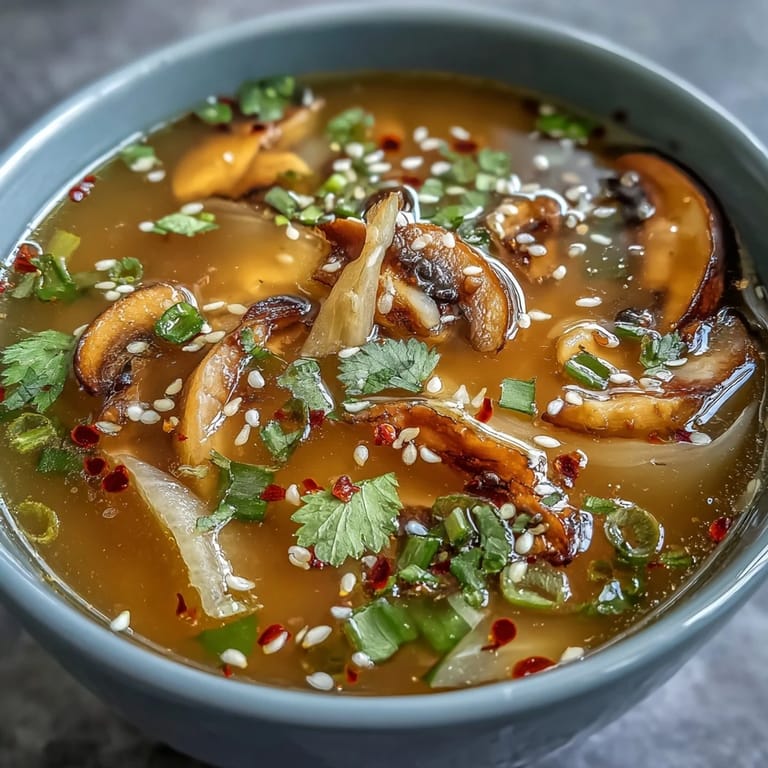
- Shiitake mushrooms (1 cup, stemmed and sliced): These add an earthy depth that feels almost meaty, making the broth taste fuller and more intentional than it has any right to be.
- Scallions (2, sliced): Save these for garnish, because their bright, oniony freshness should arrive at the table just as it reaches your spoon.
- Toasted sesame seeds (1 tablespoon): Toast them yourself in a dry pan if you have time, because the nutty warmth of homemade toasted seeds tastes nothing like the pre-toasted versions.
- Fresh cilantro or parsley (1 tablespoon, optional): Cilantro brings a citrusy lift that some people crave and others actively avoid, so know your crowd before you commit.
- Chili oil or chili flakes (optional): A whisper of heat cuts through the richness beautifully, but hold back until someone tastes it first.
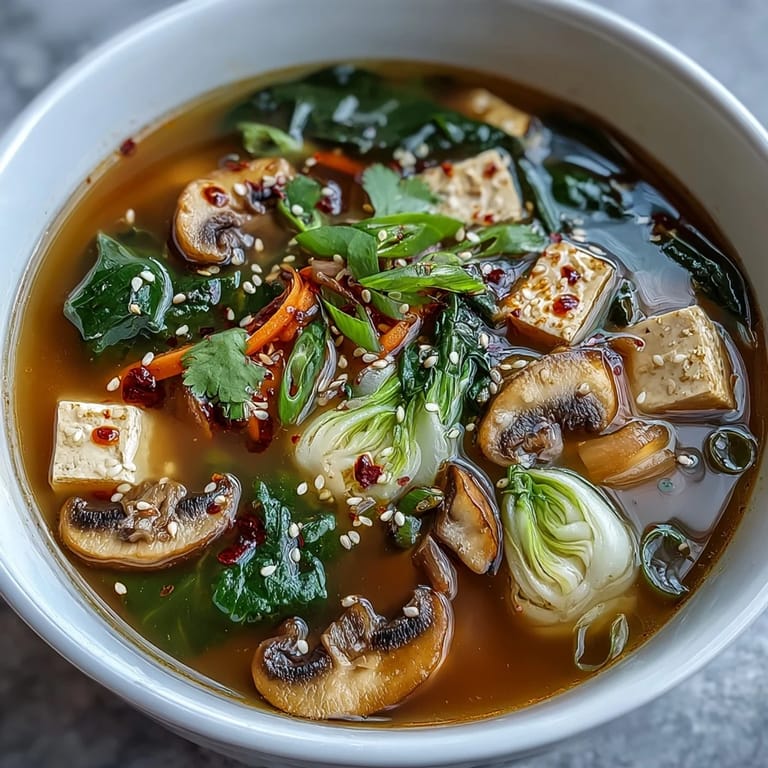
- Silken tofu (200 g, cubed, optional): It absorbs the broth's warmth and becomes almost cloud-like, adding protein without any flavor of its own.
- Cooked soba or rice noodles (100 g, optional): These transform the soup from a side into something substantial enough to be a whole meal.
Tired of Takeout? 🥡
Get 10 meals you can make faster than delivery arrives. Seriously.
One email. No spam. Unsubscribe anytime.
Instructions
- Start your infusion:
- Bring your broth to a gentle simmer in a large pot, then add the ginger and garlic slices. Let them release their warmth into the liquid for about ten minutes, until the broth smells like it's been infused with something precious and the kitchen fills with that unmistakable ginger-forward aroma.
- Build the body:
- Add your napa cabbage, carrot, and shiitake mushrooms to the simmering broth and let them cook for five to seven minutes until the cabbage has softened and the mushrooms have begun to release their umami into the liquid. Everything should still have a slight bite to it, not collapsed.
- Make the miso bridge:
- Remove the pot from heat entirely, then ladle some of that hot broth into a small bowl with your miso paste. Whisk it until it's completely smooth and dissolved, creating a silky suspension rather than a chunky paste, which prevents it from clumping when you stir it back in.
- Unite without boiling:
- Pour the miso mixture back into the pot and stir it gently until everything is evenly distributed. The temperature will already be hot enough to warm through everything, and by staying below a boil, you preserve those living cultures that make miso worth using.
- Add optional richness:
- If you're using tofu and noodles, add them now and let them warm through for about two minutes, just until they stop being cold at the center.
- Final assembly:
- Ladle the soup into bowls and scatter your scallions, sesame seeds, herbs, and chili oil across the surface in whatever proportions speak to you. Serve it immediately, while it's still steaming and inviting.
 Save to Pinterest
 There's a quiet moment when you're standing over a bowl of this soup, watching the steam rise and carrying that warm, gingery scent up into your face, where you realize that something so simple has somehow become exactly what you needed. It's the kind of meal that shows up for you on difficult days without being asked, because it's fast enough to make when you're exhausted and nourishing enough to make you feel like someone's taking care of you.
The Magic of Fresh Ginger
Fresh ginger is not interchangeable with powdered ginger in this soup, and I learned that through a mournful attempt one winter when I was out of fresh and thought a substitution would be fine. It wasn't—powdered ginger is intense and one-dimensional in a way that fresh ginger never is, where fresh ginger brings this complex heat that rolls across your palate and then fades, leaving you wanting another sip. If you don't have fresh ginger, honestly, your soup will still be good, but it will taste like a recipe you followed rather than something that healed you, and there's a difference.
Customizing Your Bowl
The vegetables listed here are just a suggestion, and I've learned to treat them as guidelines rather than rules, swapping out whatever's in season or whatever's about to expire in my crisper. Bok choy wilts beautifully into this broth, and spinach adds an iron-rich earthiness that some mornings feel exactly right. Daikon radish brings a peppery snap that plays nicely with the ginger, and I once threw in some thinly sliced snow peas when I was desperate for something light and green. The soup welcomes whatever you have with grace, as long as you respect its cooking time and don't add things that need twenty minutes when it only simmers for five.
Serving and Pairing Suggestions
This soup works equally well as a starter course when something heavier is coming, or as the whole meal on days when you need something that feels intentional without being heavy. I've paired it with everything from toast with good butter to a side of crispy rice cakes, and I've learned that it appreciates having something textural alongside it, something that gives your teeth something to do while you're sipping. A crisp white wine or green tea both cut through the umami beautifully, bringing brightness to the warmth, though honestly an ordinary afternoon and a quiet kitchen are pairing enough.
- Serve it in bowls that hold heat well, because part of the experience is the warmth lingering in your hands.
- Have all your garnishes prepped and arranged before you ladle, so you're not frantically chopping while the soup cools.
- Make extra broth without the vegetables and store it in the freezer, so you can have this soup ready in minutes on future difficult days.
 Save to Pinterest
 This soup has become one of those recipes I return to without thinking, the way you'd call an old friend when you need to feel better. It asks so little of you and gives back so much warmth.
Recipe FAQs
- → Can I use red miso instead of white?
Yes, though red miso has a stronger, more intense flavor. Use less if substituting to maintain the delicate balance.
- → Is this soup gluten-free?
The base is naturally gluten-free, but check your miso paste label and skip soba noodles if avoiding gluten completely.
- → How long does it keep in the refrigerator?
Store in an airtight container for up to 3 days. Reheat gently without boiling to preserve probiotic benefits.
- → Can I freeze this soup?
Yes, though texture may change slightly. Freeze before adding miso for best results, then stir in miso after reheating.
- → What vegetables work best as substitutes?
Bok choy, spinach, daikon radish, or kale all work beautifully in place of or alongside the suggested vegetables.
- → Why shouldn't I boil the miso?
High heat destroys the beneficial enzymes and probiotics in miso paste. Always remove from heat before stirring it in.