 Save to Pinterest
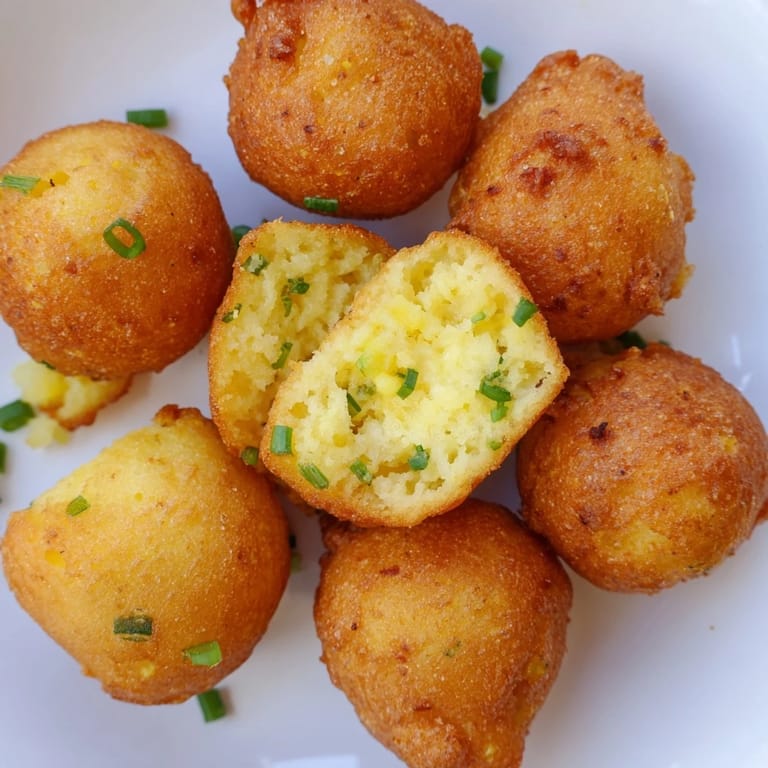
 My first batch of hushpuppies came about by accident—I was supposed to be making cornbread for a church potluck, but a neighbor stopped by with fresh-caught catfish and suddenly the plan changed. She showed me how to drop spoonfuls of batter into the oil, and within minutes our kitchen filled with this intoxicating golden aroma. Those imperfect, craggy little balls tasted nothing like cornbread, but everything like home, and I've been making them ever since.
A few summers ago, I made a triple batch for my dad's birthday cookout, and I watched my niece eat six of them standing at the kitchen counter, not even bothering with a plate. She didn't say much, just kept coming back for more, and somehow that quiet approval meant more than any compliment.
Ingredients
- Cornmeal: Yellow medium grind is what you want—it gives you that authentic gritty texture and keeps these from becoming gluey.
- All-purpose flour: This lightens the batter just enough so your hushpuppies stay tender inside, not dense.
- Baking powder and baking soda: Work together to make them puff up and stay crispy; don't skip either one.
- Buttermilk: The acidity here reacts with the baking soda and creates those tiny air pockets that make them fluffy.
- Egg: Binds everything and helps them hold their shape in the oil.
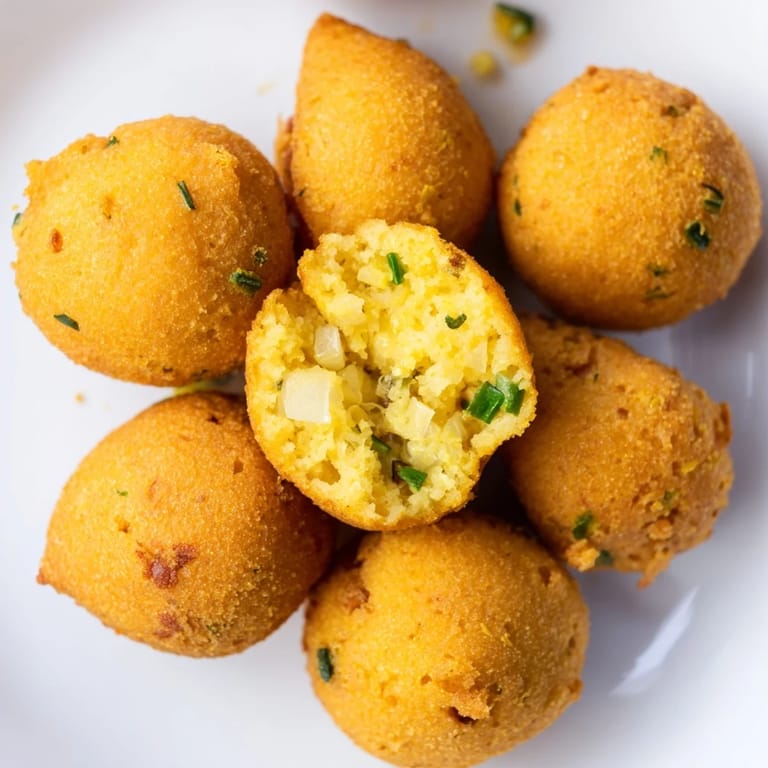
- Onion: Diced fine so it disappears into the batter and adds a subtle sweetness that balances the salt.
- Chives or scallions: Optional, but they add a gentle onion note that feels fresh.
- Vegetable oil: Use something neutral—peanut or canola work beautifully—and keep that thermometer close.
Tired of Takeout? 🥡
Get 10 meals you can make faster than delivery arrives. Seriously.
One email. No spam. Unsubscribe anytime.
Instructions
- Mix your dry goods:
- Whisk the cornmeal, flour, baking powder, baking soda, sugar, salt, black pepper, and cayenne together in a large bowl. This is your base, so take a moment to make sure there are no lumps hiding in the corners.
- Combine the wet mix:
- In another bowl, whisk the buttermilk and egg until they're well blended and slightly frothy.
- Bring them together gently:
- Pour the wet ingredients into the dry mixture and stir just until combined—you want some streaks of flour still visible. Overmixing creates tough, dense hushpuppies, which is the enemy here.
- Fold in the aromatics:
- Add your diced onion and chives, then let the batter rest for 5 minutes while you prep your oil. This little rest lets everything get to know each other.
- Heat your oil to temperature:
- Get that thermometer to 350°F (175°C)—this is non-negotiable. Too cool and they'll be greasy; too hot and they'll brown before cooking through.
- Drop and fry:
- Using two spoons or a small ice cream scoop, carefully drop heaping spoonfuls of batter into the oil, working in small batches so you don't crowd the pan and drop the temperature. Listen for that satisfying sizzle.
- Turn and watch:
- Fry for 2 to 3 minutes, turning occasionally with a slotted spoon, until they're deep golden brown on all sides. They should sound hollow when you tap them gently.
- Drain and serve:
- Pull them out with your slotted spoon and let them drain on paper towels. Sprinkle with a tiny pinch of salt while they're still warm.
 Save to Pinterest
 I once brought a batch to my grandmother, who'd been making hushpuppies for sixty years, and she took one bite and smiled—really smiled—then asked for my recipe. That moment reminded me that food can bridge almost any gap, especially when it's made with care.
The Oil Temperature Matters More Than You Think
When I first started making hushpuppies, I guessed at the temperature, and half my batches turned out greasy and sad. Then my aunt sent me her old deep-fry thermometer, and everything changed—350°F is magic, and staying close to it with repeat checks keeps your oil at the perfect frying point. If you don't have a thermometer, a wooden spoon handle will bubble vigorously when the oil is right.
Serving and Pairing
Hushpuppies are social food—they taste best eaten warm, often with your hands, and always with friends. I serve them with tartar sauce for dipping, sometimes with honey butter if I'm feeling indulgent, and they're essential alongside fried fish or shrimp. A squeeze of lemon juice over the top brings everything into focus.
Flavor Variations That Work
Once you've mastered the basic version, the fun begins—I've added smoked paprika for depth, minced jalapeño for heat, and even a little lime zest for something unexpected. Keep the proportions mostly the same, but don't be afraid to follow your instincts. The beauty of hushpuppies is that they're forgiving enough to handle your creativity.
- A pinch of smoked paprika transforms them into something more sophisticated.
- Fresh jalapeño adds a gentle kick that surprises people in the best way.
- Lime zest mixed with the onion creates a flavor your guests won't quite be able to name.
 Save to Pinterest
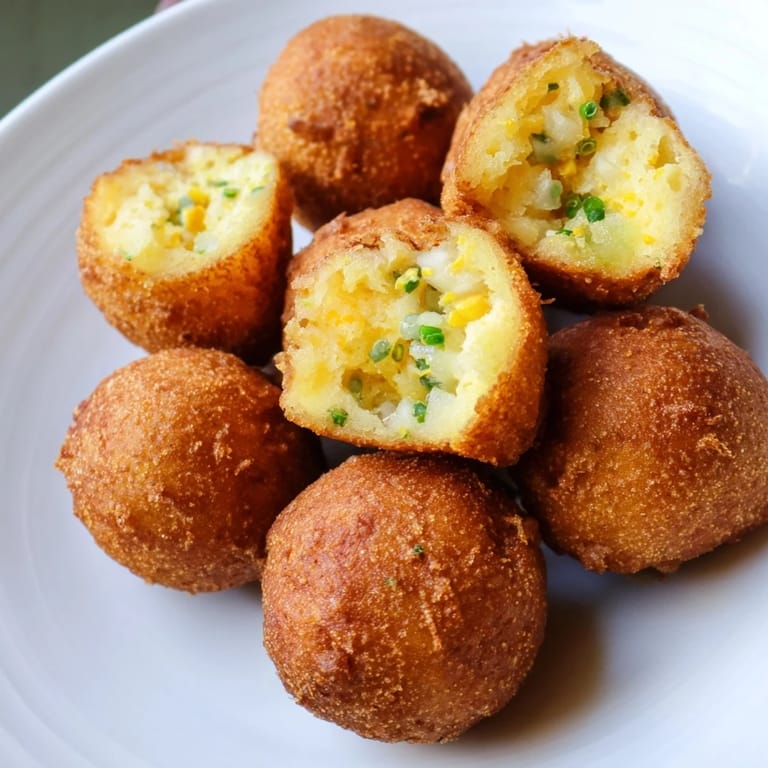
 These little golden spheres have a way of turning an ordinary dinner into something memorable. Make a big batch and watch them disappear—that's how you know you've gotten it right.
Recipe FAQs
- → What type of cornmeal works best?
Medium grind yellow cornmeal provides a good texture balance for crispy yet tender balls.
- → Can I add heat to these cornmeal balls?
Yes, adding cayenne pepper or minced jalapeño will introduce a pleasant spicy kick.
- → How do I ensure these balls turn out crispy?
Fry them in hot oil at 350°F (175°C) without overcrowding, turning occasionally for even golden crispness.
- → What can I use instead of buttermilk?
You can substitute buttermilk with milk mixed with lemon juice to mimic the tangy flavor and acidity.
- → Are onions necessary in the batter?
Finely diced onions add sweetness and moisture, enhancing the overall flavor and texture, but they can be omitted if preferred.
- → What sides pair well with these cornmeal balls?
They pair excellently with fried fish, tartar sauce, or honey butter for a classic Southern taste.