 Save to Pinterest
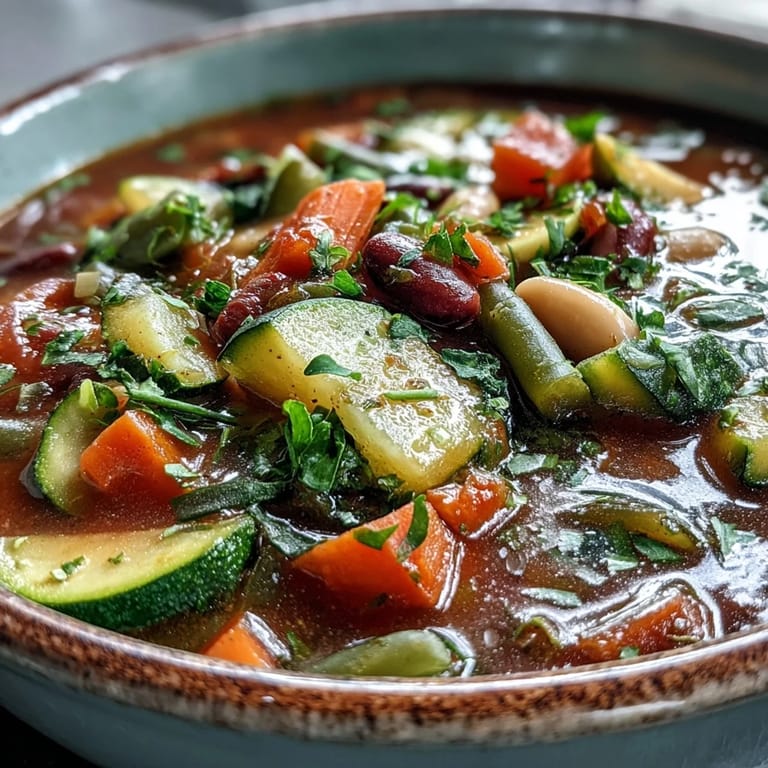
 The first time I simmered this soup, the kitchen windows steamed up with the scent of dried basil. It was a drizzly Tuesday and I wanted something that felt like a warm sweater in a bowl. This Minestrone became my rainy day ritual because it uses up every spare vegetable in the drawer. Now, whenever the sky turns grey, I find myself reaching for the heavy soup pot. It is a simple joy that never fails to ground me.
I once served this to a group of friends who claimed they did not like vegetables, but they all asked for seconds. We sat around the small kitchen table, tearing into a loaf of crusty bread while the pot simmered on the stove. There is something deeply communal about watching everyone ladle their own portions from a single steaming vessel. It reminded me that the simplest ingredients often create the most lasting connections in our lives.
Ingredients
- Olive Oil: Start with a good quality oil to ensure a rich and fruity foundation.
- Onion Celery and Carrots: This classic trio provides the aromatic base that makes the soup taste homemade.
- Zucchini and Green Beans: These add a lovely bite and vibrant color to every single bowl.
- Diced Tomatoes: These provide the essential acidity needed to balance the earthy flavor of the beans.
- Tomato Paste: Cooking this for a minute adds a deep umami richness to the broth.
- Dried Herbs: Oregano and basil bring the classic Italian garden scents right into your home.
- Cannellini Beans: These creamy white beans add a satisfying heartiness and plenty of plant protein.
- Small Pasta: Using ditalini or elbow macaroni makes the soup playful and easy to eat.
- Fresh Spinach: Folding this in at the end keeps the greens bright and tender.
Tired of Takeout? 🥡
Get 10 meals you can make faster than delivery arrives. Seriously.
One email. No spam. Unsubscribe anytime.
Instructions
- Softening the Foundation:
- Heat your olive oil in a large pot and cook the onions, celery, and carrots until they are soft. You want them to release their sweetness without browning too much.
- Adding the Aromatics:
- Stir in the garlic, zucchini, and green beans to let them coat in the oil. This quick sizzle helps the vegetables hold their shape during the long simmer.
- Simmering the Broth:
- Pour in the tomatoes, broth, paste, and all those dried herbs before bringing it to a boil. Lower the heat so the flavors can mingle while the liquid bubbles gently.
- Cooking the Pasta:
- Toss the pasta and beans into the pot once the other vegetables are tender. Cook just until the pasta is al dente so it does not get too soft.
- Finishing with Greens:
- Fold the spinach and fresh parsley into the hot liquid until they just begin to wilt. This final touch adds a burst of freshness and color to the pot.
- Final Seasoning:
- Taste your hard work and add salt or pepper until the flavors are perfectly balanced. Remember to find and remove the bay leaf before you start serving.
 Save to Pinterest
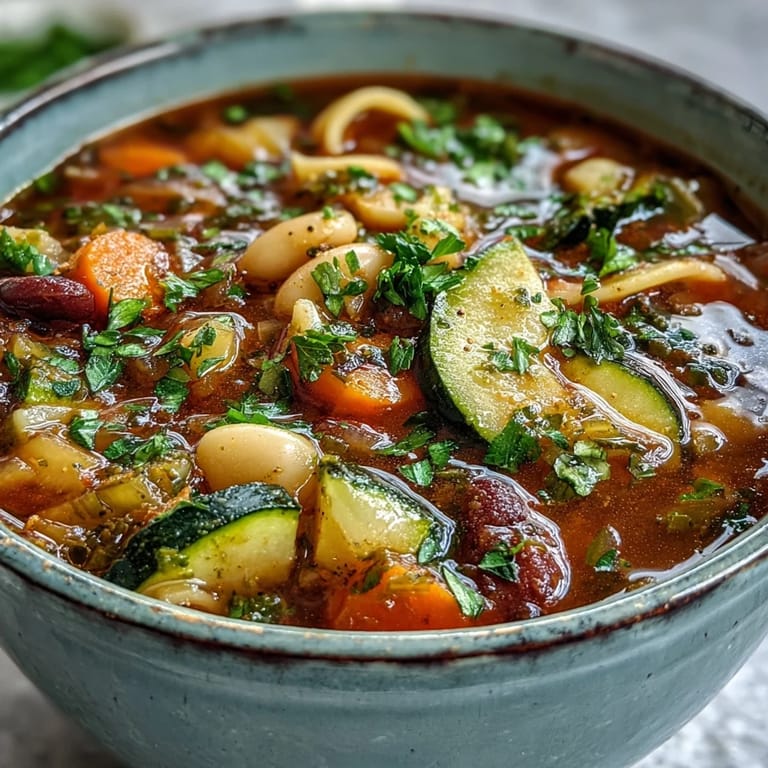
 There was a winter evening when my power went out and I finished cooking this by the light of a few candles. The aroma seemed even more intense in the dark, filling the house with a sense of safety and warmth. It was in that quiet moment that I realized how much comfort a simple pot of soup can provide.
The Secret of Seasonality
The beauty of this soup is that it evolves with the calendar as much as your mood. In the spring, I love adding peas and asparagus, while the autumn calls for chunks of butternut squash. Never feel restricted by the list because the pot is a canvas for whatever is freshest at the market.
Achieving the Perfect Texture
I learned that overcooking the pasta can turn a vibrant soup into a thick porridge very quickly. If you plan on having leftovers, consider cooking the pasta separately and adding it to individual bowls. This keeps the noodles from expanding too much while they sit in the fridge overnight.
Simple Serving Suggestions
A dusting of Parmesan cheese is the traditional way to finish this, but a dollop of pesto also adds a fantastic punch. I always serve this with a side of toasted garlic bread to catch every last drop of the savory broth.
- Garnish with extra parsley for a fresh hit of color.
- Keep an extra cup of broth handy if you need to thin it out during reheating.
- Use a wide bowl to let the heat disperse slightly before your first bite.
 Save to Pinterest
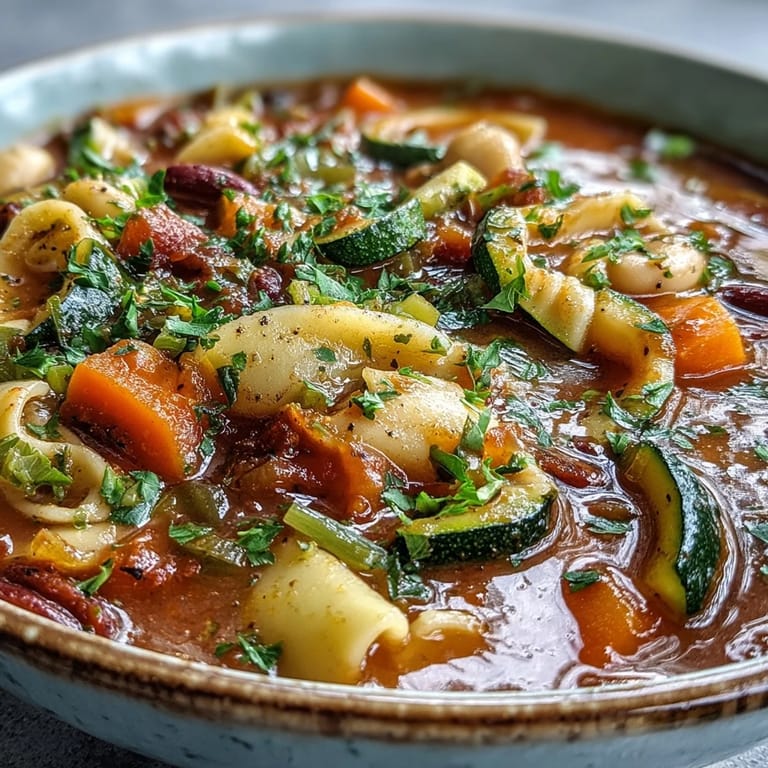
 This soup is more than a meal, it is a comforting embrace that nourishes the soul. I hope every spoonful brings you the same peace it brings to my home.
Recipe FAQs
- → What vegetables work best in minestrone?
Traditional minestrone includes onions, celery, carrots, zucchini, and green beans. You can also add seasonal vegetables like Swiss chard, cabbage, or butternut squash based on availability and preference.
- → Can I make this minestrone gluten-free?
Simply substitute the regular pasta with gluten-free pasta varieties like brown rice or corn-based shapes. Ensure your vegetable broth is certified gluten-free as well.
- → How do I store leftover minestrone?
Store cooled soup in an airtight container in the refrigerator for up to 4 days. The pasta will absorb liquid, so you may need to add extra broth when reheating. It also freezes well for up to 3 months.
- → What type of pasta should I use?
Small pasta shapes like ditalini, elbow macaroni, or small shells work perfectly as they fit well on a spoon. Avoid larger shapes that might overwhelm the vegetables.
- → Can I make minestrone in a slow cooker?
Sauté vegetables first, then transfer everything except pasta and spinach to your slow cooker. Cook on low for 6-7 hours, adding pasta during the last 30 minutes until tender.
- → Is minestrone better the next day?
Absolutely. The flavors meld and deepen overnight, making leftovers even more delicious. The pasta continues to soften and absorb the seasoned broth for a richer taste.