 Save to Pinterest
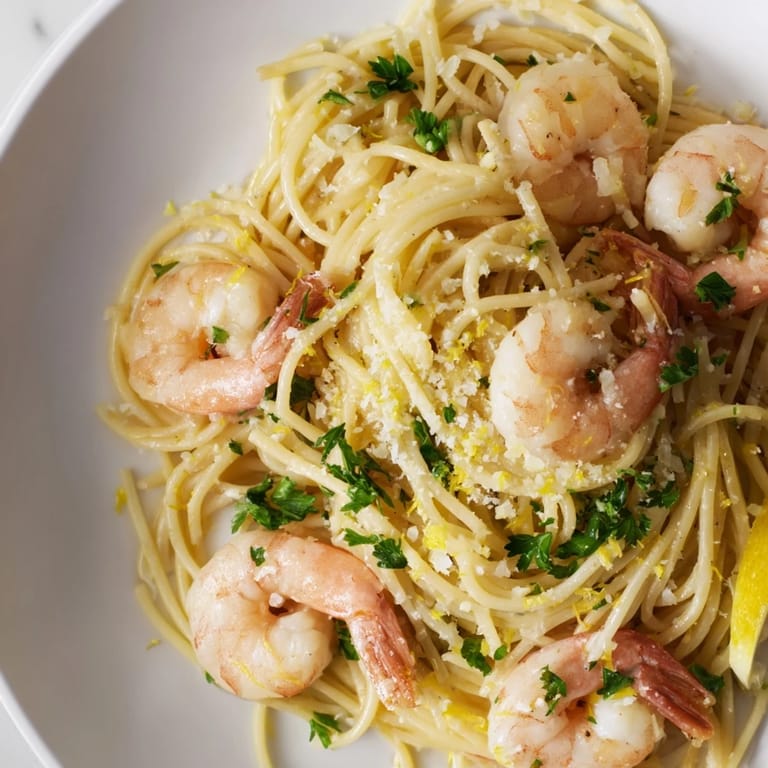
 The smell of garlic hitting hot butter never fails to pull my husband into the kitchen within seconds. I started making this shrimp pasta on weeknights when I needed something that felt special but didn't require an hour of prep. The lemon cuts through the richness in a way that makes you want to twirl just one more forkful, even when you're full. It's become our go-to when we want to pretend we're dining out without leaving the house.
I made this for my sister's birthday last spring, and she insisted on licking her plate when she thought no one was looking. We sat on the back porch with wine and lemon wedges piled on the table, and the conversation stretched long past sunset. That's when I realized this dish has a way of slowing people down, making them savor instead of rush.
Ingredients
- Large shrimp, peeled and deveined: Look for shrimp that smell like the ocean, not fishy or sharp, and pat them completely dry so they sear instead of steam.
- Spaghetti: The long strands catch the sauce beautifully, but linguine or angel hair work just as well if that's what you have.
- Unsalted butter: Using unsalted lets you control the saltiness, especially since the pasta water and Parmesan add their own.
- Extra-virgin olive oil: A good fruity olive oil adds depth to the butter and keeps the sauce from feeling one-note.
- Garlic cloves, minced: Fresh garlic is non-negotiable here, the jarred stuff just doesn't bloom the same way in hot fat.
- Lemon zest and juice: Zest first, then juice, the zest carries the aromatic oils that make the whole dish sing.
- Dry white wine: A splash of Sauvignon Blanc or Pinot Grigio deglazes the pan and adds a subtle acidity that balances the butter.
- Crushed red pepper flakes: Just enough to warm the back of your throat without overwhelming the delicate shrimp.
- Salt and black pepper: Season at every stage, it builds layers of flavor instead of a one-dimensional saltiness at the end.
- Fresh parsley: The brightness and color make the dish look as good as it tastes, and the herbal note ties everything together.
- Parmesan cheese: Optional but highly recommended, the nutty saltiness is a perfect finishing touch.
- Lemon wedges: An extra squeeze at the table lets everyone adjust the brightness to their liking.
Tired of Takeout? 🥡
Get 10 meals you can make faster than delivery arrives. Seriously.
One email. No spam. Unsubscribe anytime.
Instructions
- Boil the Pasta:
- Bring a large pot of generously salted water to a rolling boil and cook the spaghetti until it still has a slight bite in the center. Before draining, scoop out half a cup of the starchy pasta water, it's your secret weapon for making the sauce cling.
- Prep the Shrimp:
- While the pasta bubbles away, pat the shrimp completely dry with paper towels and season them lightly with salt and pepper. Dry shrimp sear beautifully and develop a slight caramelization that wet shrimp never achieve.
- Sear the Shrimp:
- Heat a tablespoon each of olive oil and butter in a large skillet over medium-high heat until shimmering, then lay the shrimp in a single layer without crowding. Cook for one to two minutes per side until they just turn pink and opaque, then transfer them to a plate.
- Build the Garlic Base:
- Lower the heat to medium and add the remaining olive oil and butter to the same skillet, letting all those shrimp drippings flavor the fat. Stir in the minced garlic and cook until it smells nutty and golden, about a minute, watching carefully so it doesn't burn.
- Create the Lemon Wine Sauce:
- Add the lemon zest, lemon juice, white wine, and red pepper flakes to the skillet, scraping up any browned bits from the bottom. Let it simmer for two to three minutes until the liquid reduces slightly and the alcohol cooks off.
- Reunite Shrimp and Sauce:
- Return the cooked shrimp and any accumulated juices to the skillet, tossing them gently in the sauce to coat. The shrimp will finish cooking in the residual heat without becoming rubbery.
- Toss with Pasta:
- Add the drained spaghetti to the skillet and toss everything together with tongs, adding reserved pasta water a splash at a time until the sauce becomes silky and clings to each strand. The starch in the pasta water emulsifies the butter and oil into a cohesive sauce.
- Final Seasoning:
- Taste and adjust with more salt and black pepper as needed, remembering that the Parmesan will add extra saltiness if you're using it.
- Garnish and Serve:
- Remove the skillet from the heat and sprinkle the dish with chopped parsley and freshly grated Parmesan if desired. Serve immediately with lemon wedges on the side so everyone can add an extra burst of brightness.
 Save to Pinterest
 One evening I made this for a friend going through a rough patch, and she sat at my kitchen counter in silence, twirling her fork and letting the steam rise into her face. After her second helping, she finally smiled and said it was the first thing that had tasted like anything in weeks. That's when I understood that sometimes food is less about the recipe and more about the moment it creates.
Making It Your Own
This recipe is a canvas for whatever you have on hand or whatever sounds good in the moment. I've tossed in handfuls of baby spinach that wilt into the sauce, halved cherry tomatoes that burst and add sweetness, or even a spoonful of capers for a briny punch. If you don't drink or cook with wine, a splash of chicken or vegetable broth works just fine, though you'll lose a bit of that subtle acidity. Some nights I use gluten-free pasta for friends with dietary restrictions, and it holds up beautifully as long as you're careful not to overcook it.
Timing and Leftovers
The beauty of this dish is that everything happens fast, so have all your ingredients prepped and within reach before you start cooking. I learned the hard way that stopping to mince garlic while shrimp are searing leads to burnt edges and frantic scraping. If you do end up with leftovers, store them in an airtight container in the fridge and reheat gently in a skillet with a splash of pasta water or broth to revive the sauce. The shrimp won't be quite as tender as when freshly cooked, but it still makes a satisfying lunch the next day.
Pairing and Presentation
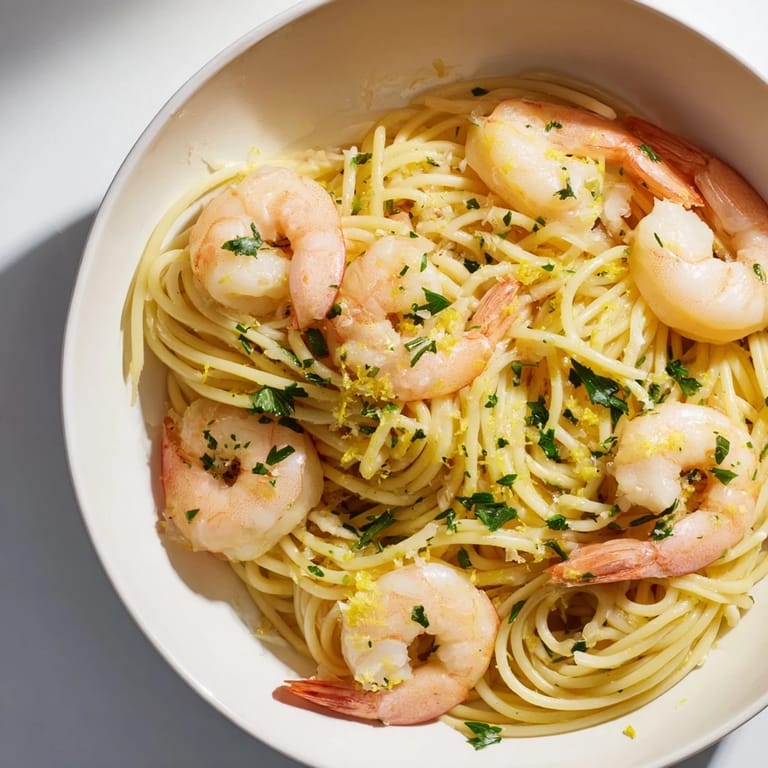
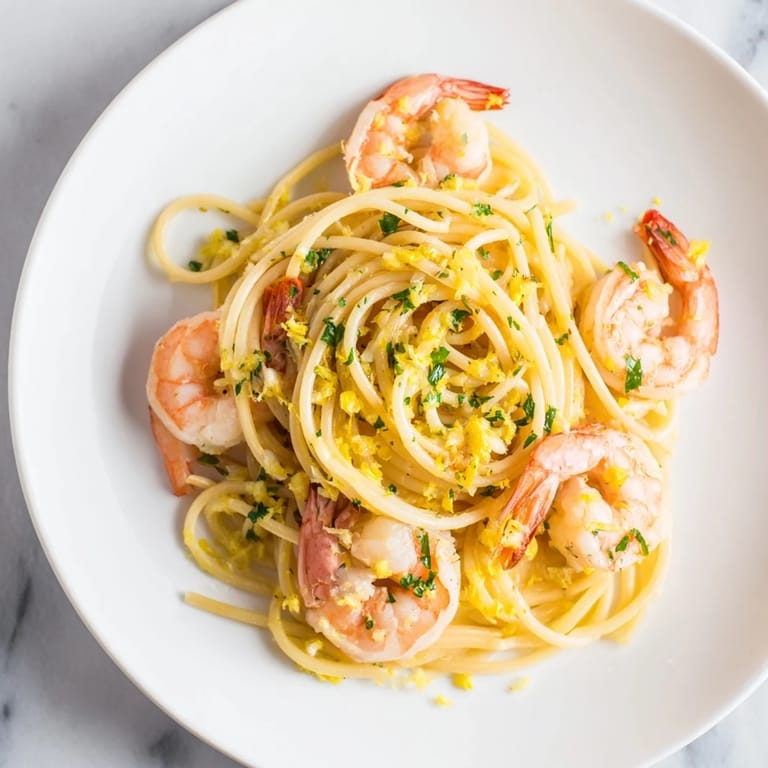
This pasta pairs beautifully with a crisp white wine like Sauvignon Blanc or Pinot Grigio, something with enough acidity to match the lemon without competing with the garlic. I like to serve it in wide shallow bowls so the shrimp sit on top like little jewels, and I always put extra lemon wedges and Parmesan on the table for people to customize their plates. A simple green salad with a light vinaigrette and some crusty bread for soaking up the sauce round out the meal without overwhelming it.
- Chill your white wine ahead of time so it's ready when the pasta hits the table.
- Use a microplane to zest the lemon directly over the skillet for maximum aromatic impact.
- If you're serving guests, you can sear the shrimp and make the sauce ahead, then just toss everything together with fresh pasta at the last minute.
 Save to Pinterest
 This pasta has earned its place in my weekly rotation because it delivers big flavor without demanding much from me on nights when I'm too tired to think. I hope it becomes one of those recipes you reach for when you want something that feels like a celebration, even if it's just a regular Tuesday.
Recipe FAQs
- → How do I prevent the shrimp from becoming rubbery?
Pat the shrimp dry before cooking and sauté them for only 1–2 minutes per side until just pink and opaque. Overcooked shrimp become tough, so remove them from heat as soon as they change color. You can always return them to the skillet briefly at the end to warm through.
- → Can I use frozen shrimp for this dish?
Yes, frozen shrimp work well. Thaw them completely and pat them dry before cooking. This removes excess moisture and ensures even cooking. Avoid pre-cooked frozen shrimp, as they'll overcook easily when reheated in the skillet.
- → What can I substitute for white wine?
Chicken or vegetable broth provides a similar depth without alcohol. Use equal parts broth as the wine called for. You can also omit it entirely and add an extra tablespoon of lemon juice for brightness, though the sauce will be lighter.
- → Why is pasta water important in this dish?
Starchy pasta water emulsifies with the butter and oil, creating a silky sauce that clings to the spaghetti. It helps balance the acidity of the lemon and brings all the flavors together harmoniously. Add it gradually until you achieve the desired consistency.
- → How do I make this dish gluten-free or dairy-free?
For gluten-free, use certified gluten-free pasta and cook according to package directions. For dairy-free, replace the butter with extra olive oil and omit the Parmesan cheese. The sauce remains flavorful with lemon, garlic, and olive oil as the base.
- → What wine pairs best with this dish?
Crisp, acidic white wines complement the bright lemon and garlic flavors beautifully. Sauvignon Blanc, Pinot Grigio, or Vermentino are excellent choices. Their citrus notes echo the lemon in the sauce while cutting through the richness of the butter.