 Save to Pinterest
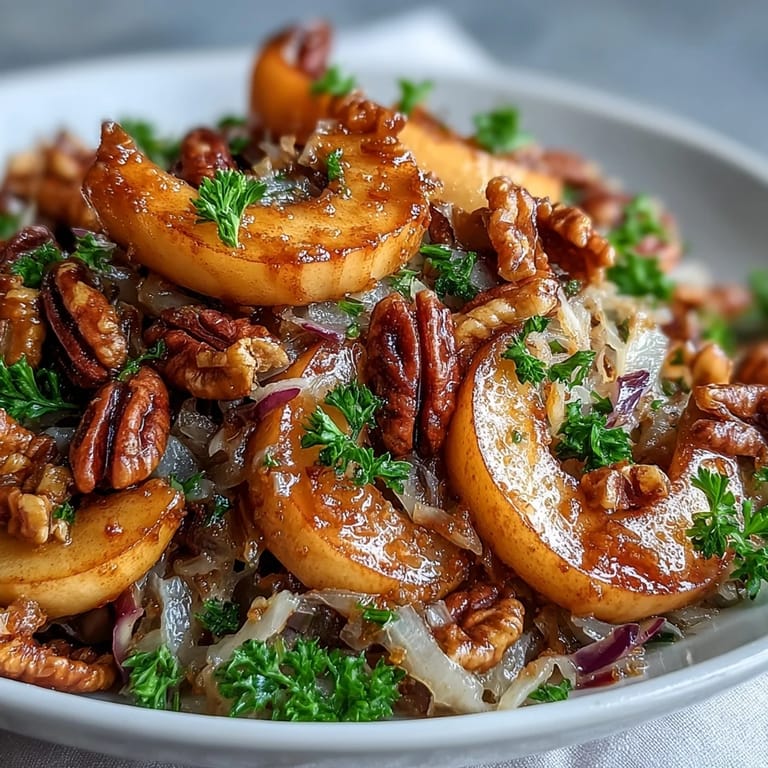
 My neighbor Maria handed me a jar of her homemade sauerkraut one autumn afternoon, insisting I had to do something with it besides eating it straight from the jar. I stood in my kitchen wondering what on earth to pair with something so aggressively tangy, and then I spotted a bowl of apples I'd picked up at the farmers market that morning. The combination seemed odd at first, but the moment those golden apples hit the warm sauerkraut in the skillet, the whole kitchen smelled like a German farmhouse kitchen I've never actually been to. That's when I knew this dish was special.
I made this for a potluck last winter where everyone brought the same three casseroles, and someone actually asked for my recipe while still chewing their first bite. My friend David, who claims he doesn't like anything fermented, went back for seconds and kept muttering about how the warm apples softened the sauerkraut's edge. That moment taught me that food people think they hate often just needs the right companion.
Ingredients
- Medium apples (Honeycrisp or Gala), cored and sliced: These varieties hold their shape while caramelizing and bring natural sweetness that rounds out the fermented sharpness.
- Small red onion, thinly sliced: The thin slices soften quickly and add a subtle sweetness that melds beautifully with the apples and sauerkraut.
- Fresh sauerkraut, drained: Always taste yours before adding; some brands are saltier than others, so hold back on extra salt until you've had a sample.
- Olive oil: Use something mid-range that you actually enjoy; cheap oil sometimes tastes flat when heated.
- Apple cider vinegar: This deepens the tangy flavor and keeps everything bright rather than muddled.
- Honey or maple syrup: Just a teaspoon bridges the gap between sweet and sour in a way that feels effortless.
- Caraway seeds: Optional, but they're worth hunting down; they taste like German delis smell, if that makes sense.
- Freshly ground black pepper: Pre-ground loses its personality, so crack it fresh if you can.
- Salt: Add cautiously since the sauerkraut brings its own.
- Fresh parsley and toasted walnuts or pecans: These add texture and a final flourish that makes the whole thing feel intentional rather than thrown together.
Tired of Takeout? 🥡
Get 10 meals you can make faster than delivery arrives. Seriously.
One email. No spam. Unsubscribe anytime.
Instructions
- Warm your skillet and get the oil ready:
- Set a large skillet over medium heat and let the olive oil warm until it shimmers slightly; you'll know it's ready when you can smell its warmth.
- Introduce the apples and onions:
- Add your sliced apples and red onion to the oil and let them get comfortable, stirring every minute or so for about five to six minutes. Watch for the edges of the apples to turn golden and for the onion to soften into almost translucent pieces.
- Wake up the caraway seeds:
- If you're using them, add the caraway seeds now and stir for just a minute until your whole kitchen smells like warm spice and memory. The seeds will become fragrant and slightly darkened, which means they're releasing their oils.
- Bring in the sauerkraut and balance the flavors:
- Pour in your drained sauerkraut along with the apple cider vinegar, honey or maple syrup, and black pepper, then toss everything gently for two to three minutes until everything is heated through. This is when you taste a small spoonful and decide if you need a pinch more salt.
- Finish and serve:
- Transfer everything to your serving platter or bowl while it's still warm, then scatter the parsley and toasted nuts across the top for color and crunch.
 Save to Pinterest
 This dish became my answer to that awkward moment when you're eating dinner somewhere and realize the kitchen brought out something that should have been conversation. Instead of sitting quietly, this salad starts discussions about flavors and childhood memories and what actually counts as food.
What Makes the Warmth Matter
Serving this warm rather than cold changes everything in ways that temperature alone doesn't explain. The warmth makes the apples release their sweetness more generously, and it mellows the sauerkraut's aggressive personality into something almost gentle.
Pairing This with Other Foods
This dish sits happily next to grilled sausages, roasted chicken, or smoked tofu if you're leaning vegetarian. It's equally at home as a standalone lunch when you've added some leftover kielbasa or cooked beans, turning it from side dish into something more substantial that still feels light.
Variations and Things You Can Try
Once you've made this basic version, you'll find yourself tinkering because the framework is forgiving enough to play with. Some people swear by adding a splash of mustard, others layer in some cooked beets for earthiness, and I've seen versions where toasted sunflower seeds replace the walnuts.
- Try mixing Granny Smith apples with sweeter varieties to get complexity in every bite.
- If you find the dish too sour, add another half teaspoon of honey instead of more salt.
- Warm this up the next day in a skillet over low heat if you have leftovers, though it's also fine eaten cold straight from the refrigerator.
 Save to Pinterest
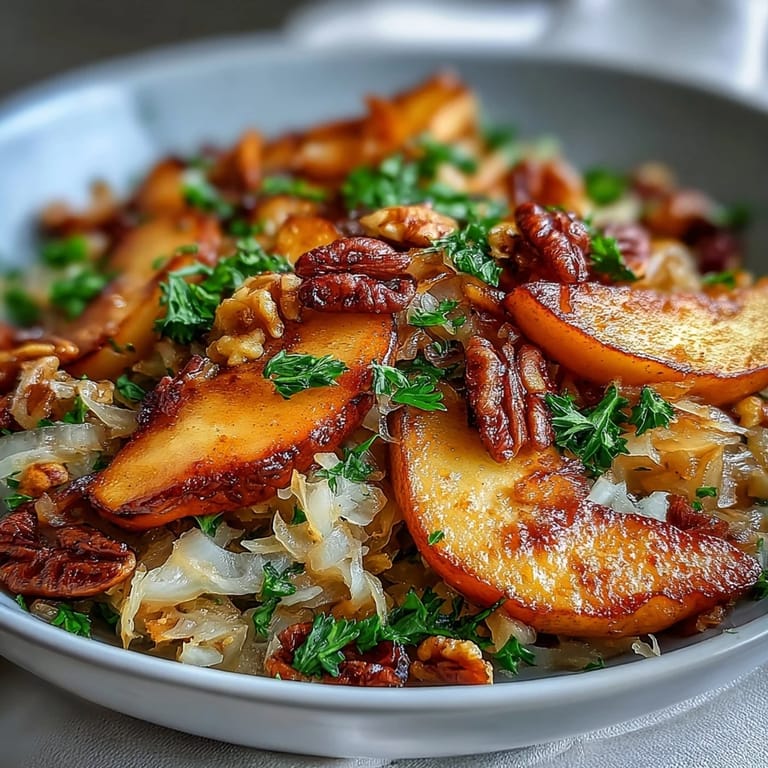
 This warm apple and sauerkraut skillet salad became my go-to when I wanted to feel like I was cooking something European and interesting without the fuss. It's the kind of dish that reminds you that sometimes the best food comes from combining things that shouldn't work but somehow do.
Recipe FAQs
- → What type of apples work best?
Honeycrisp or Gala apples offer ideal sweetness and texture. Granny Smith adds extra tartness if you prefer a sharper flavor profile.
- → Can this be made ahead?
Yes, prepare it up to 2 days in advance. Reheat gently in a skillet over medium-low heat, adding a splash of water if needed.
- → Is this suitable for meal prep?
Absolutely. Portion into containers and refrigerate. The flavors actually develop and improve over 1-2 days in the refrigerator.
- → What protein additions work well?
Smoked tofu, cooked kielbasa, or grilled bratwurst complement the flavors beautifully. Add during the last few minutes of cooking.
- → Can I use homemade sauerkraut?
Yes, homemade or store-bought both work perfectly. Just drain well before adding to prevent excess liquid in the skillet.
- → How do I store leftovers?
Keep refrigerated in an airtight container for up to 4 days. Reheat on the stovetet or enjoy chilled as a unique side salad.