 Save to Pinterest
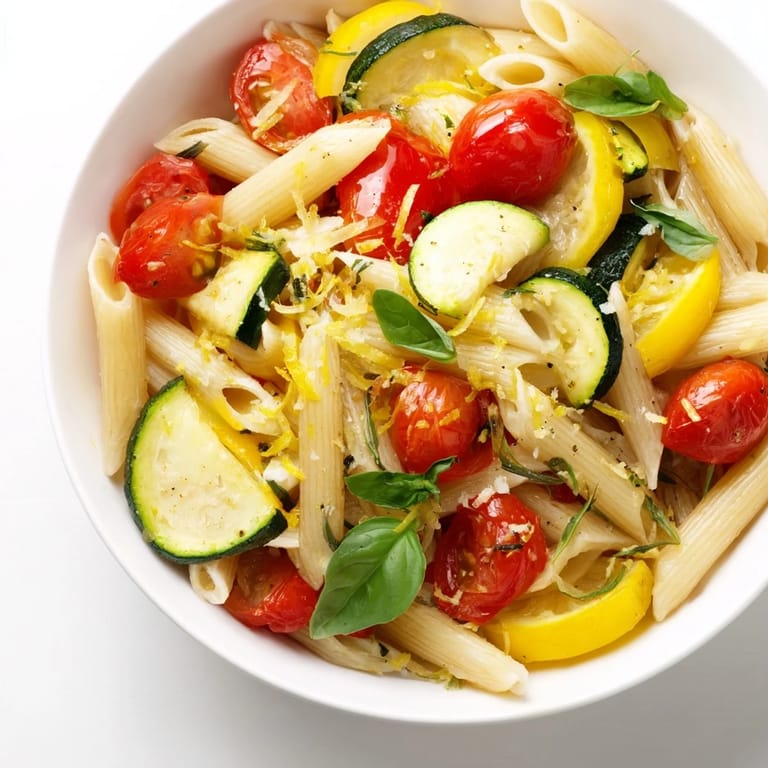
 My neighbor knocked on my kitchen door one August evening with a canvas bag overflowing with squash and zucchini. She laughed and said her garden had officially gone rogue. I stood there holding four zucchinis the size of baseball bats, wondering what on earth I was going to do with them all. That night, I tossed them into a skillet with some pasta, garlic, and tomatoes, and the result was so good I started hoping she'd have more garden emergencies.
I made this for my kids on a night when I was too tired to think. They usually turn their noses up at anything green, but they devoured this without complaint. I think it was the sweetness of the tomatoes and the way the garlic clung to every piece of pasta. My youngest even asked if we could have it again the next night, which is basically a five-star review in our house.
Ingredients
- Penne or fusilli pasta: These shapes grab onto the vegetables and sauce beautifully, creating little pockets of flavor in every bite.
- Zucchini and yellow squash: Slice them into half-moons so they cook evenly and stay tender without turning mushy or watery.
- Cherry or grape tomatoes: Halved tomatoes release their juices when heated, forming a light, naturally sweet sauce that coats the pasta.
- Extra virgin olive oil: Use a good quality oil here because it carries all the garlic and herb flavors through the dish.
- Garlic: Mince it finely and don't let it brown, or it will turn bitter and overpower the delicate vegetables.
- Kosher salt and black pepper: Season generously, especially the pasta water, to build flavor from the very beginning.
- Fresh basil leaves: Tear or slice them at the last minute so they stay bright green and aromatic instead of turning dark and wilted.
- Red pepper flakes: Optional, but a pinch adds a gentle warmth that makes the whole dish feel a little more alive.
- Parmesan cheese: A handful of grated Parmesan ties everything together with a salty, nutty finish.
- Lemon zest: A bit of zest at the end brightens the flavors and makes the dish taste like it came from a much fancier kitchen.
Tired of Takeout? 🥡
Get 10 meals you can make faster than delivery arrives. Seriously.
One email. No spam. Unsubscribe anytime.
Instructions
- Boil the pasta:
- Bring a large pot of salted water to a rolling boil and cook the pasta until al dente, following the package timing. Before draining, scoop out half a cup of the starchy pasta water and set it aside.
- Sauté the garlic:
- Heat olive oil in a large skillet over medium heat and add the minced garlic, stirring constantly for about a minute until it smells incredible but hasn't turned golden. This step perfumes the oil and sets the stage for everything else.
- Cook the squash:
- Toss in the zucchini and yellow squash, stirring occasionally for four to five minutes until they soften slightly but still have a little bite. You want them tender, not limp.
- Add the tomatoes:
- Stir in the halved tomatoes along with salt, pepper, and red pepper flakes if you like a hint of heat. Let them cook for three to four minutes until they start to collapse and release their juices into the pan.
- Combine pasta and vegetables:
- Lower the heat and add the drained pasta directly into the skillet, tossing everything together and adding splashes of the reserved pasta water to create a silky, cohesive sauce. The starch in the water helps everything cling together beautifully.
- Finish with basil and cheese:
- Stir in the fresh basil and grated Parmesan, tasting as you go and adjusting the seasoning if needed. The basil should wilt just slightly and release its sweet, peppery aroma.
- Serve and garnish:
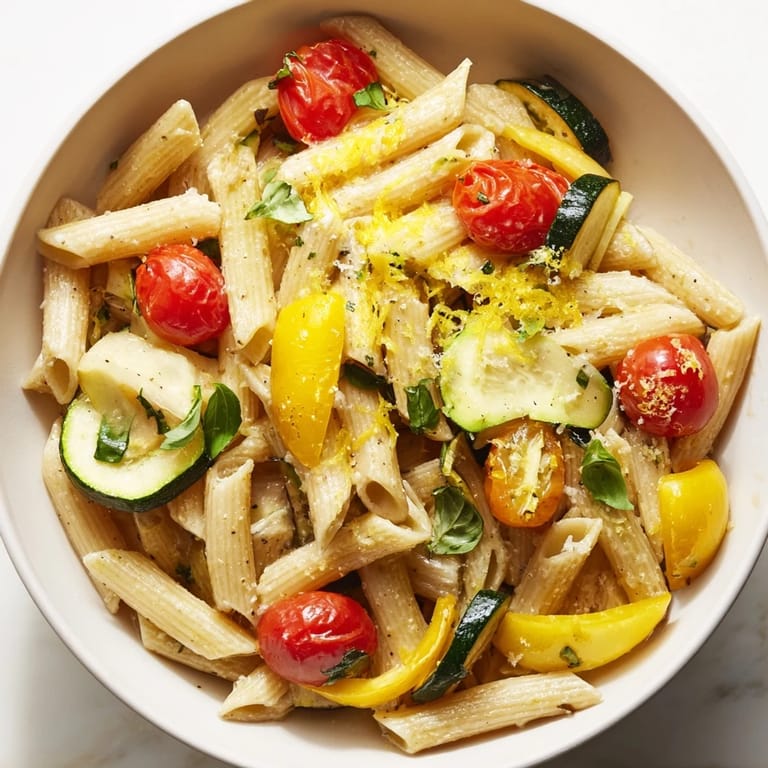
- Divide the pasta among bowls and top with extra basil leaves and a sprinkle of lemon zest if you want a little brightness. Serve immediately while everything is warm and fragrant.
 Save to Pinterest
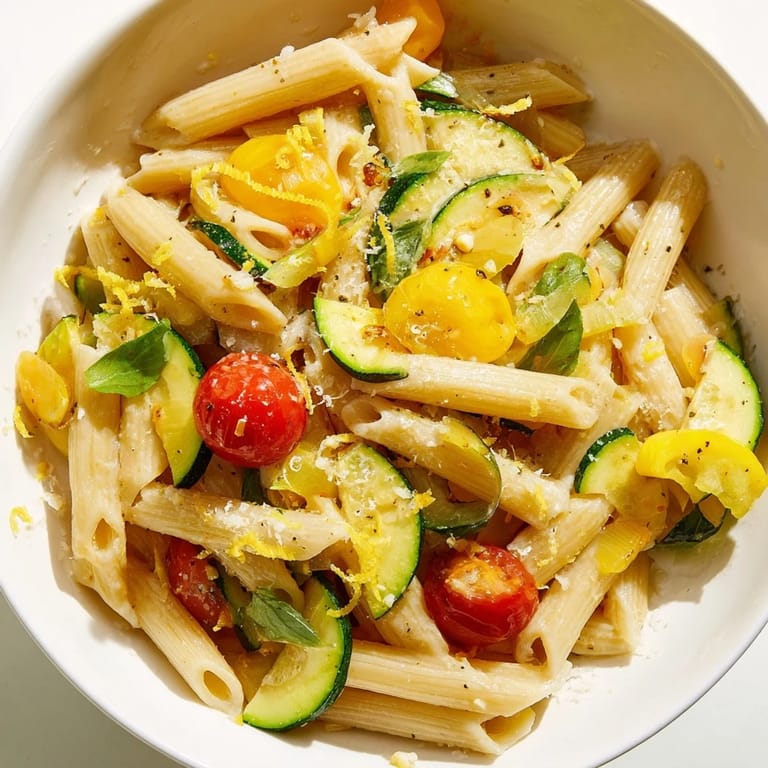
 One summer evening, I served this on our back porch with a cheap bottle of white wine and some crusty bread. My friend looked at me and said it tasted like vacation. I realized then that the best meals don't need to be complicated, they just need to remind you of something good.
How to Avoid Soggy Vegetables
The trick is not to crowd the pan and to cook over medium heat, not low. When vegetables are piled too high, they steam instead of sauté, which makes them limp and watery. If your skillet feels tight, cook the squash in two batches so each piece gets a chance to caramelize slightly. You'll notice the difference in texture right away.
Making It Your Own
This recipe is incredibly forgiving and welcomes whatever vegetables you have on hand. I've stirred in handfuls of spinach, diced bell peppers, and even leftover roasted eggplant with great results. If you want more protein, toss in some white beans or chickpeas, or top each bowl with grilled chicken or shrimp. The base of garlic, olive oil, and tomatoes can handle just about anything you throw at it.
Storage and Reheating
Leftovers keep well in an airtight container in the fridge for up to three days. The pasta will absorb some of the sauce as it sits, so when you reheat it, add a splash of water or broth to loosen everything up. I usually reheat it gently in a skillet over low heat, stirring frequently, but the microwave works in a pinch if you cover the bowl with a damp paper towel.
- Store the basil separately and add fresh when serving leftovers so it doesn't turn black.
- This dish is best enjoyed warm, but it also makes a decent cold pasta salad if you toss it with a little extra olive oil and lemon juice.
- If freezing, leave out the cheese and basil, then stir them in after reheating for the freshest flavor.
 Save to Pinterest
 This is the kind of recipe that doesn't demand much from you, but it gives back generously. Make it on a weeknight, make it for friends, or make it just because your garden won't stop producing zucchini.
Recipe FAQs
- → Can I use other vegetables in this dish?
Yes! Bell peppers, spinach, eggplant, and mushrooms work wonderfully. Add softer vegetables like tomatoes toward the end to prevent overcooking, and include harder vegetables like peppers earlier in the cooking process.
- → How do I make this vegan?
Simply omit the Parmesan cheese or substitute with plant-based alternatives available at most grocery stores. The dish is naturally delicious without cheese, with the vegetables providing all the flavor needed.
- → What type of pasta works best?
Penne and fusilli are ideal because their shapes catch the vegetables and sauce. Spaghetti or linguine also work well. For gluten-free diets, use certified gluten-free pasta with the same cooking time.
- → Why is reserving pasta water important?
Pasta water contains starch that emulsifies with the olive oil, creating a silky sauce that clings to the pasta. It helps bring all the elements together and allows you to adjust consistency to your preference.
- → Can I make this ahead?
This dish is best served immediately while warm. However, you can prepare all ingredients in advance and cook just before serving. Leftover pasta can be reheated gently with a splash of water or served at room temperature as a cold pasta salad.
- → What wine pairs with this dish?
Crisp white wines like Sauvignon Blanc or Pinot Grigio complement the fresh vegetables and basil beautifully. Their acidity brightens the dish and cleanses your palate between bites.